THE PROBLEM NO LABEL SOLVES

You shouldn’t need a science degree to feed your family well

The supermarket gives you walls of labels — “free range,” “natural,” “hormone free” — but none of them tell you what actually matters: is the soil healthy? Are the animals genuinely cared for? Is this food more nourishing than what’s beside it on the shelf?

Organic is a rigid standard of what not to do — a list of banned inputs. But a paddock using only approved organic inputs can still have depleted soil, poor water, and stressed animals. The label passes. The land tells a different story.

Regenerative sounds promising — but it has no agreed definition, no standard, and no accountability. Anyone can call themselves regenerative. Often, the people using the term don’t really know what it means.

Neither approach measures what actually matters: outcomes — what the farm produces, how the ecosystem is functioning, and whether things are genuinely getting better.

You’re not looking for another label. You’re looking for food you can genuinely trust.

Get Good Food
Load video: David Savill on soil health and ecological food — why living soil produces nutrient-dense paddock-to-plate meat and produce

MEET YOUR FARMER

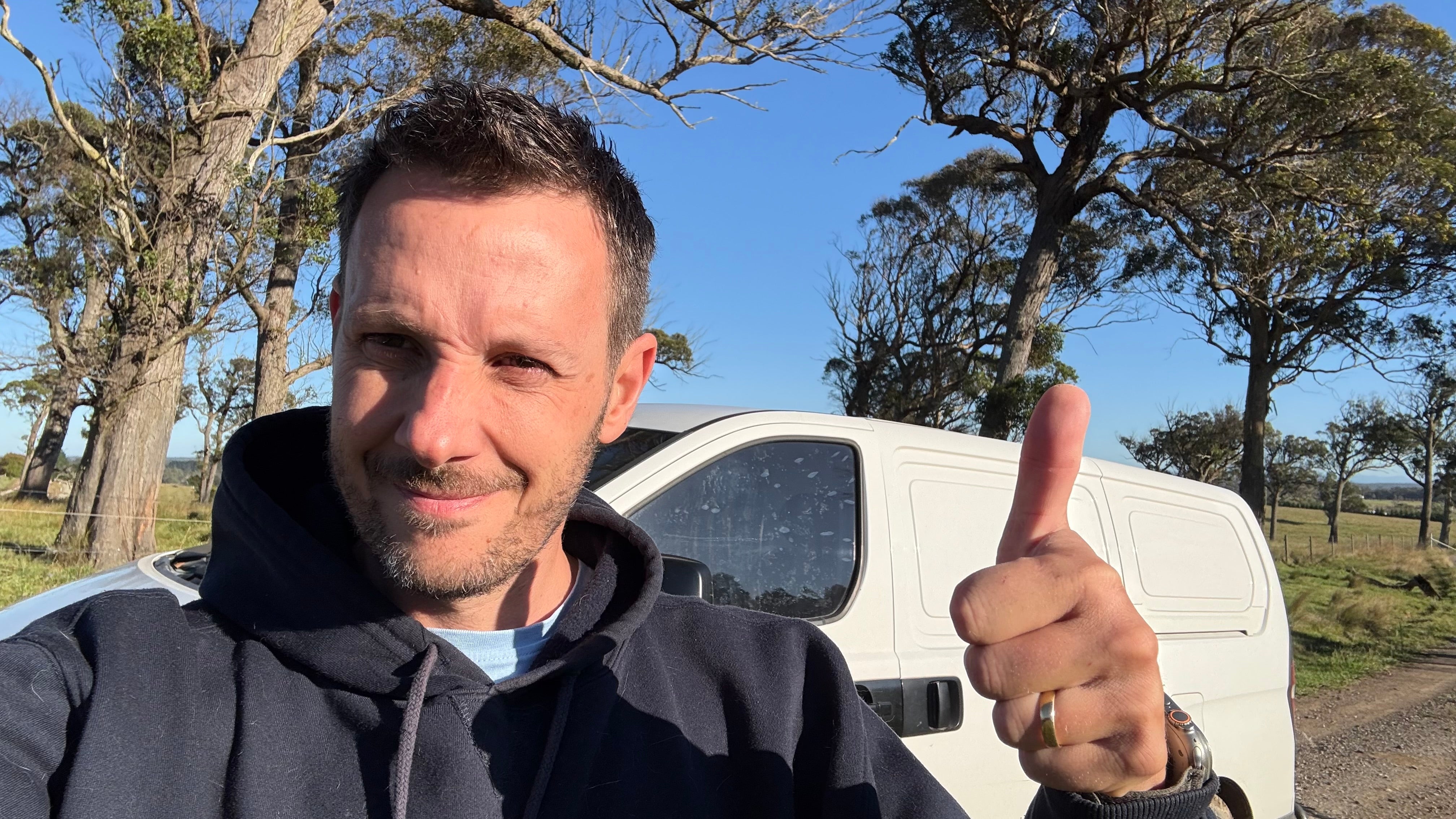
Hi, I’m David. I’ve spent 20 years studying ecological farming - and 15 years delivering it to families.

When I started Your Farmer in 2011, I didn’t set out to create a new label. I just wanted to grow food the way it made sense — as part of a living system, not against one. I studied ecological design, built a farm where every part supports every other part, and started delivering directly to families who cared about the same things I did.

Today our CSA families across NSW and ACT get food that’s genuinely different — not because of a sticker on the packet, but because of what’s happening in the soil beneath it.

BSc Ecological Agriculture  ·  Human Ecologist  ·  Soil Food Web Lab Technician  ·  Biodynamic Practitioner  ·  20+ years experience

NOT A LABEL — AN AUDIT

How we prove it, not just claim it

Most certifications are a checklist you pass once a year. The Your Farmer Certified standard is different: every farm is assessed against the Your Farmer Certified Eight Outcomes — from living soils and clean water to animal welfare and farmer wellbeing. Each audit step below proves one outcome. If the outcomes aren’t improving, the farm doesn’t qualify.

1

Living Soils

We test the living microbial ecosystem — the fungi, bacteria and organisms that make nutrients available to plants, not just pH or nitrogen. Organic matter and structure have to be improving year on year, and because the system is built around biology, synthetic inputs are a short-term remedy at most — never a routine.

2

Water & Catchment

Is runoff clean? Are buffers in place? We verify the farm is building water infiltration into the soil rather than letting it run off into streams — improving the catchment, not degrading it.

3

Biodiversity & Habitat

Are native species returning? We look for hedgerows, refuge areas and functional habitat. Pests and weeds are managed through ecological design — and because any targeted chemical intervention is never routine, nothing accumulates in the food chain.

4

Ecosystem Design

The whole farm has to work as one designed system — grazing supports cropping, waste becomes resource, energy trends toward renewables. Abstaining from inputs isn’t design; the farm has to show planned integration.

5

Economic Sustainability

We check the operation is economically viable, so the farming family isn’t under undue hardship — because a struggling farm can’t sustain ecological practice long-term.

6

Social & Cultural

Inputs sourced locally, food sold to local families, knowledge shared — we confirm the farm operates as part of its community, not apart from it.

7

Animal Welfare

We observe stocking rates, access to forage, shelter quality, and whether animals move freely through the ecosystem as part of the farming system. Health is never sacrificed for ideology.

8

Farmer Wellbeing

The person behind the food matters too. A farmer under financial stress or disconnected from purpose can’t sustain ecological practice — so wellbeing is part of the audit, not an afterthought.

How the audit works: every farm is peer-reviewed by fellow ecological farmers — not desk auditors — and reassessed at least annually. If the outcomes aren’t improving, the farm doesn’t qualify.

Your Farmer Certified logo — ecological farming standard for soil, water, biota, animal welfare, farmer welfare, and integrated production

WHAT WE MEASURE

The Your Farmer Certified™ Eight Outcomes

The ecological-farming standard developed by farmer and ecologist David Savill in 2014. Instead of a checklist of what you can’t use, every farm in the network is measured against these eight outcomes — what the land actually produces.

You’re not just buying food. You’re supporting a farm that makes everything around it healthier.

WHAT THIS MEANS FOR YOUR FOOD

Is Eco-grown just a farming style, or does it make food healthier?

Most of us don't get enough key nutrients.

What we eat has a great impact on our health, however many of us don’t get enough key nutrients in our diet 11 4. 1 in 3 Australians don't get enough magnesium. Nearly half of Australian men don't get enough zinc 10.

Often this is a result of the food we eat being low in nutrients, not from a lack of effort of trying to eat well. Ecological farming enhances the soil 3, which in turn increases the micronutrients in the food grown on it 9 5. It’s been found that an increase in nutrient intake is consistent with reduced risk of health issues such as cardiovascular disease, diabetes, and overall mortality 7 8.

As Your Farmer’s founder David Savill says, it all starts with the soil. Without healthy soil, a farm is just a factory with grass.

When you choose food from a farm verified for ecological outcomes, you’re not relying on a label, you’re choosing food from a system that’s actively making the world better; one paddock at a time 

Our ecological outcomes mean:

  • Soil that’s richer and more alive than it was last year produces more nutrient-dense food
  • Animals living well produce better-quality meat and dairy
  • Clean water means cleaner produce and fewer contaminants in your food chain
  • Biodiversity means more resilience — the farm can withstand droughts, pests, and climate stress
  • A farmer who’s economically sustainable and personally fulfilled keeps improving, year after year
  • A farm integrated with its community creates a food system everyone can trust

That’s food you can trust. Not because of a certificate on the wall. Because of what’s happening in the soil.

Get Good Food
Load video: David Savill debunks the NPK fertiliser myth — soil biology is the foundation of ecological farming and food nutrition

THE SCIENCE BEHIND THE SYSTEM

Why Nature Doesn't Need Fertiliser

In industrial agriculture, fertilisers have become less an amelioration tool and more a crutch, where every year more and more have to be used because the underlying biology has either become dependent on them or has been erased 13 14.

David explains how natural ecosystems — old-growth forests, prairies, natural pastures — sustained complex life for millennia without a single bag of fertiliser. Soil microbiology is the true driver of fertility 3 2. Adding synthetic inputs doesn’t help — it replaces the natural systems that were already doing the job 1.

Load video: David Savill on why eco-grown goes beyond organic — Your Farmer Certified ecological farming standards

BEYOND ORGANIC AND REGENERATIVE

What does organic really tell you? What does regenerative really mean? And what actually matters — is anyone measuring it?

The principles of ecological agriculture extend beyond the soil to what's called human ecology, the study of how people, communities, and ecosystems function as a single system 16. Most certifications stop at the farm gate.

David explains why organic certification — while well-intentioned — is a rigid list of what not to do. And why “regenerative” has become a feel-good label anyone can claim with no accountability.

Your Farmer's eight verified outcomes are a holistic model covering the full picture: soil, water, biodiversity, animals, farmer, community, and the relationship between farm and eater. That last one is the missing piece in most ecological agriculture programs . and it's the one that makes the whole system work.

Load video: David Savill on why eco-grown is better — holistic ecological farming vs organic, Your Farmer Certified standards

THE INTEGRATION PRINCIPLE

What if every part of the farm supported every other part — by design?

Nature doesn't do monocultures, and neither should the systems that grow your food.

Most of the problems with today’s agriculture, and why we have to use so much energy and chemicals, are because we don’t mirror natural cycles 12 15.

David explains why ecological farming works as an integrated system rather than isolated practices. Animals, pastures, soil biology, and water cycles all reinforce each other — creating food that carries the health of the whole system.

Three Simple Steps

A whole table of real food.

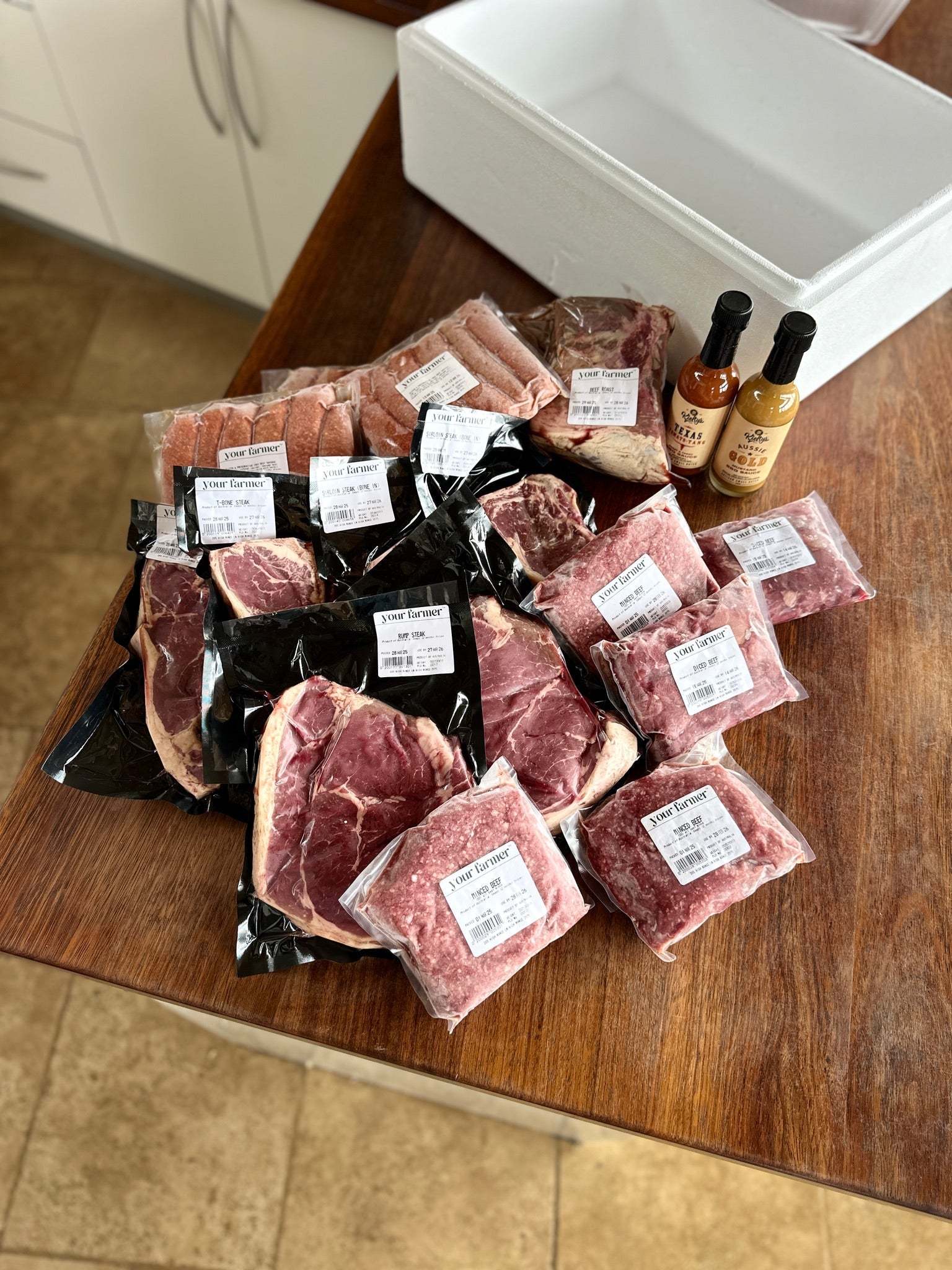
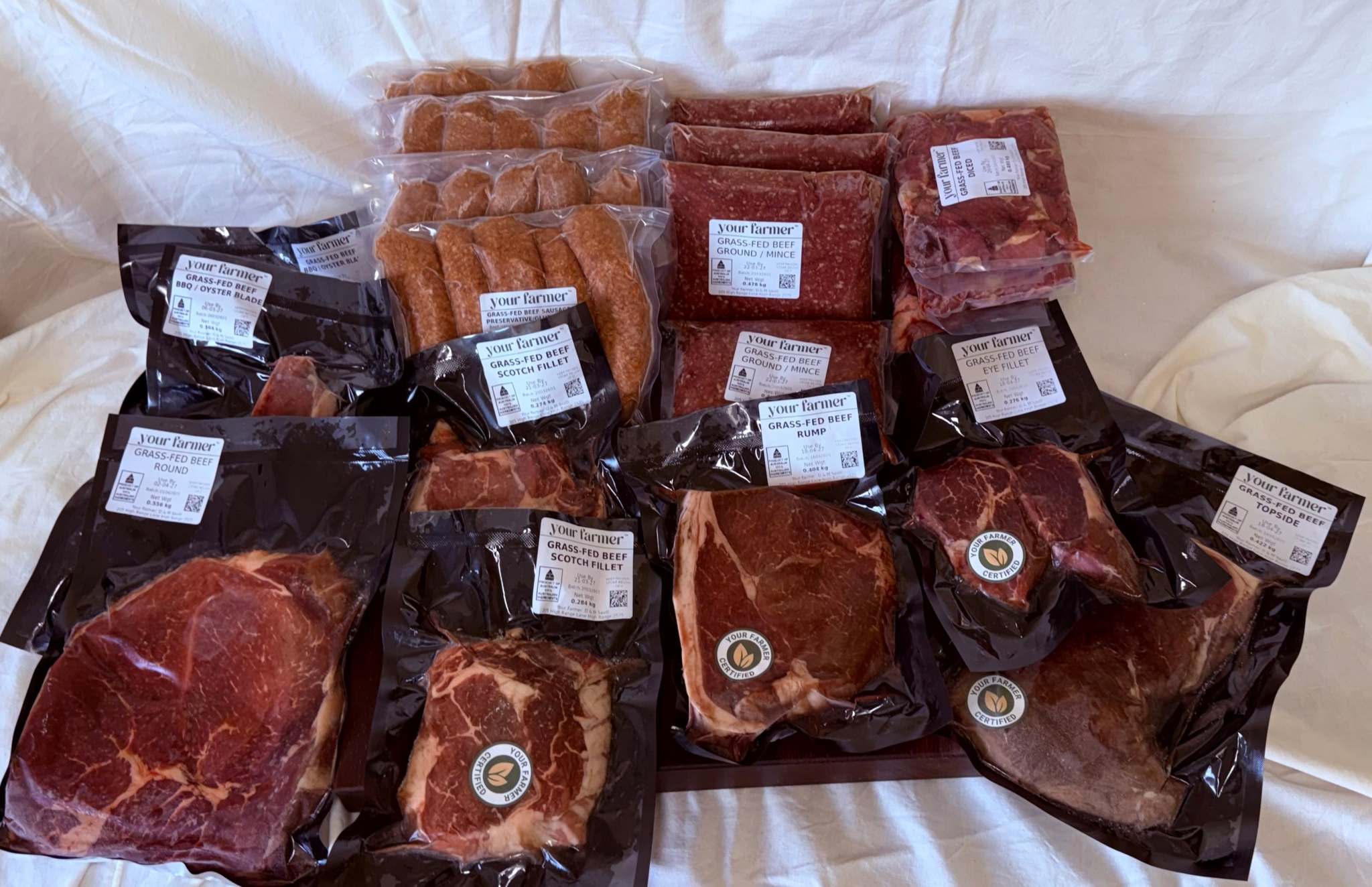
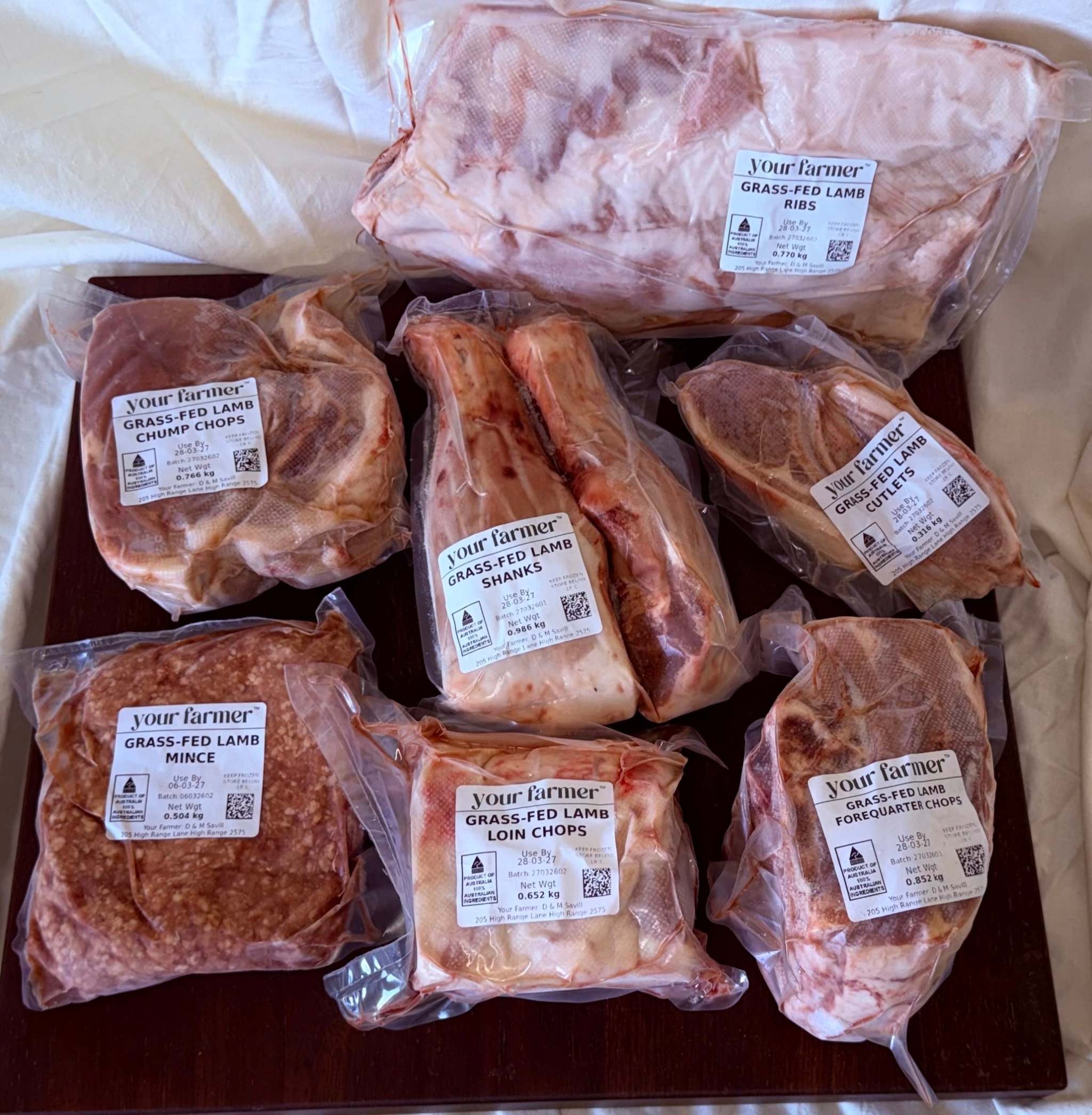
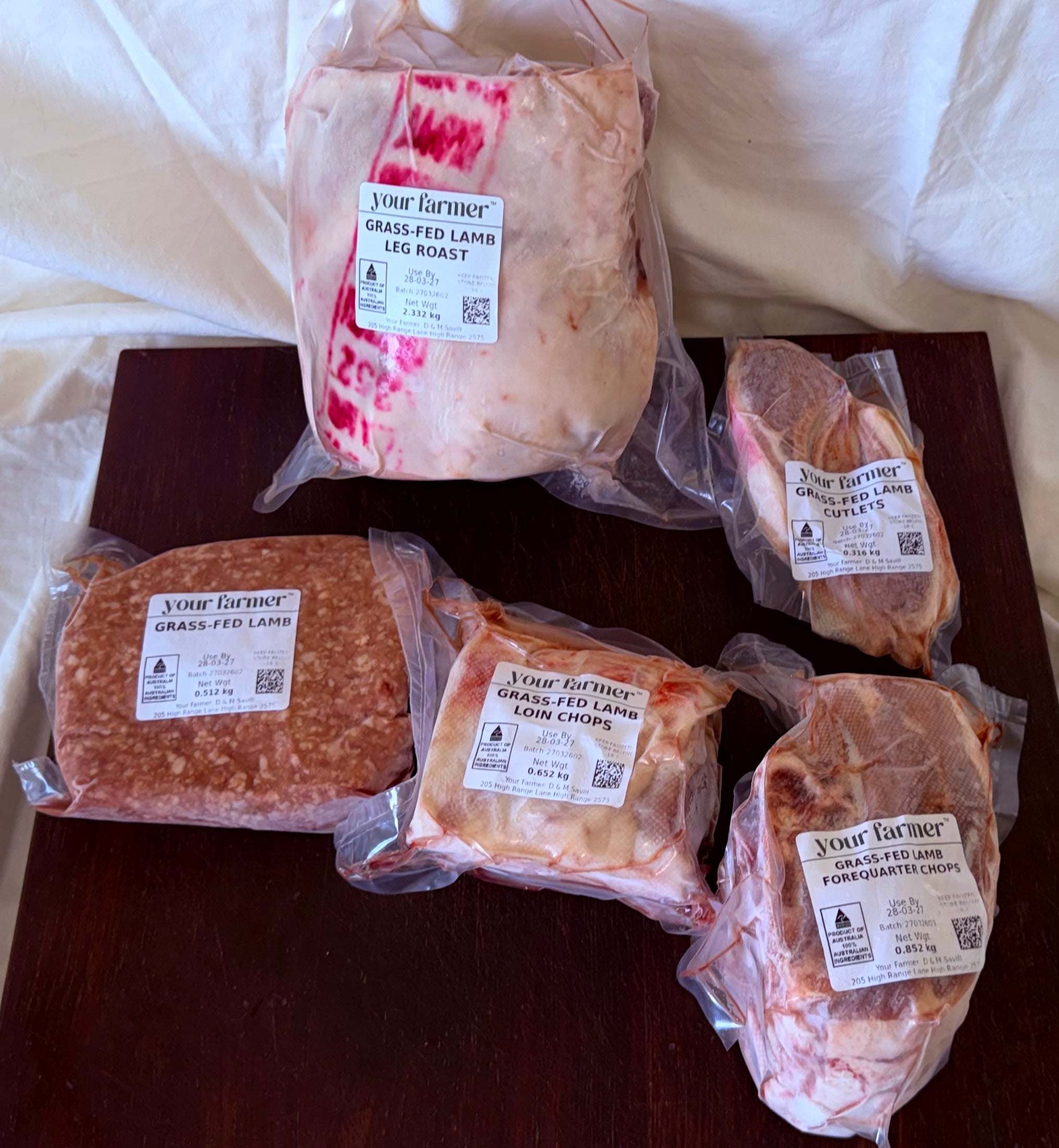
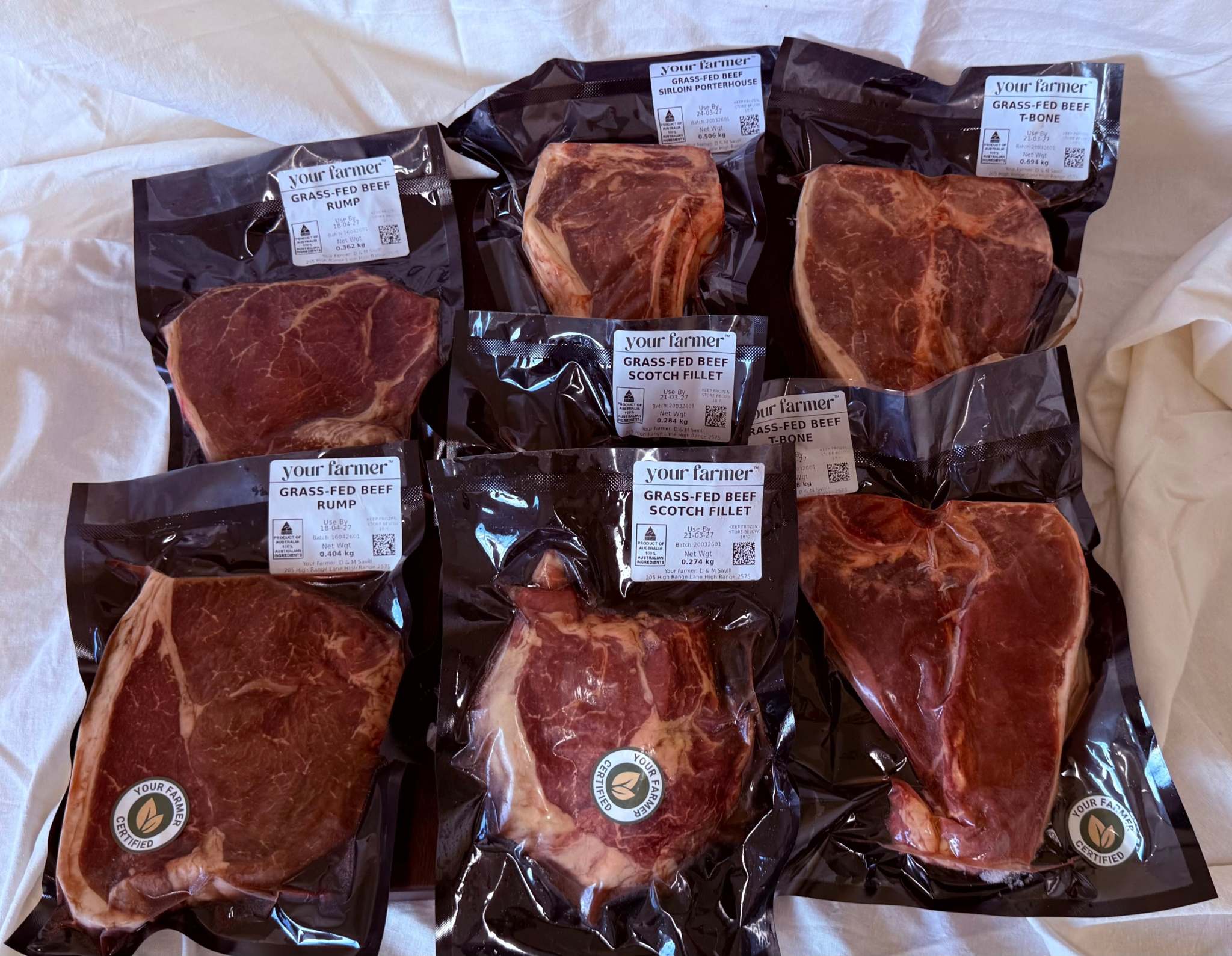
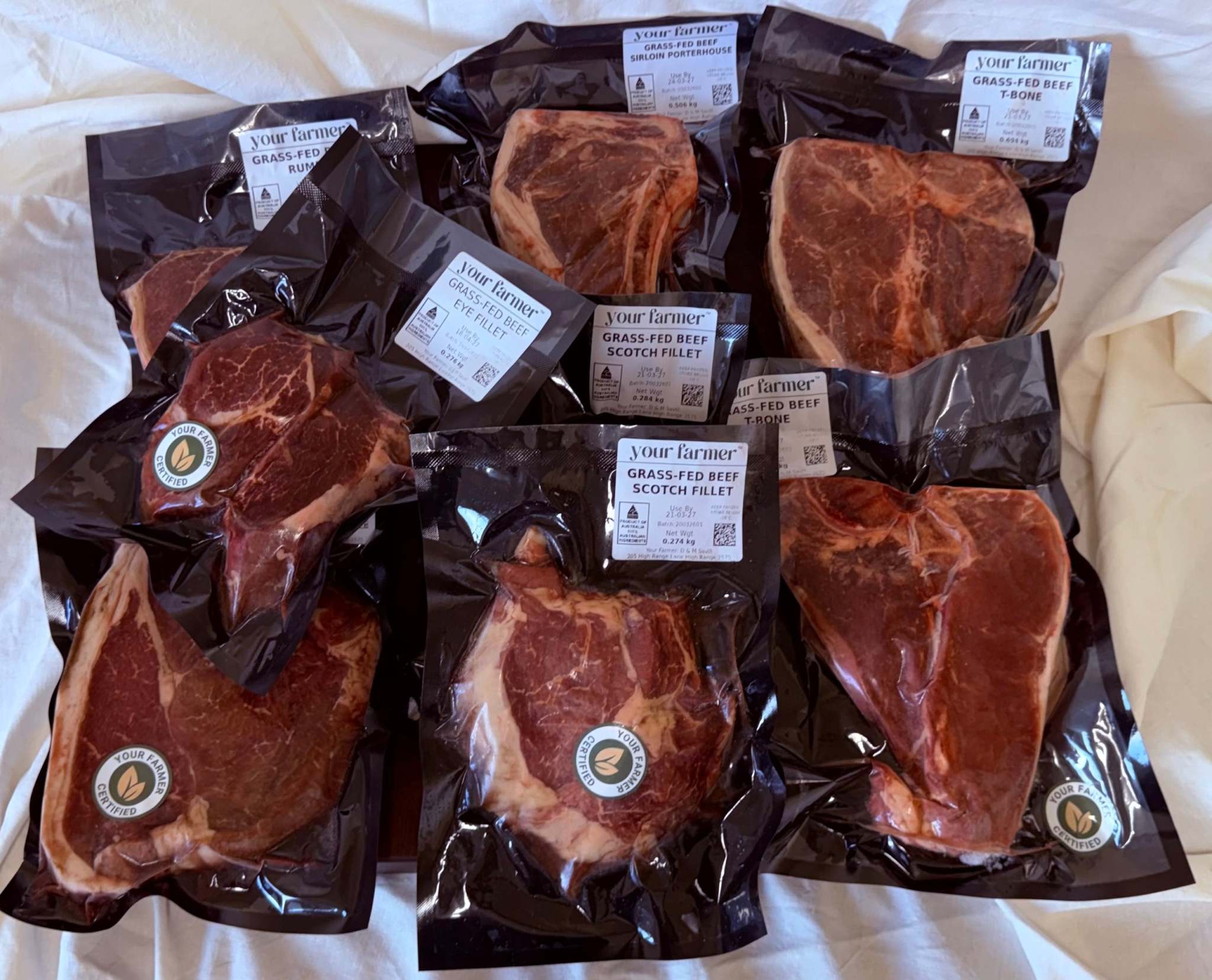
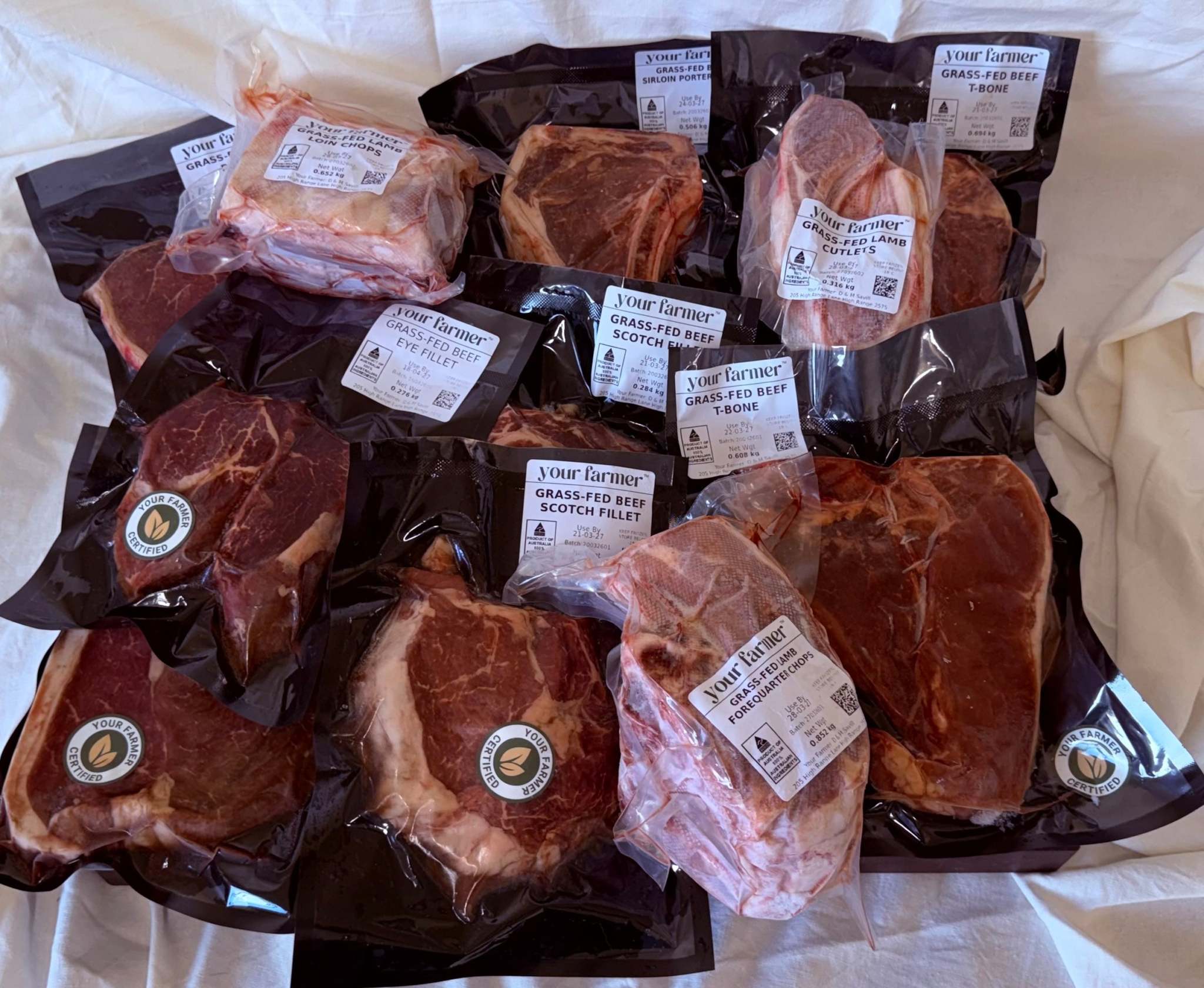
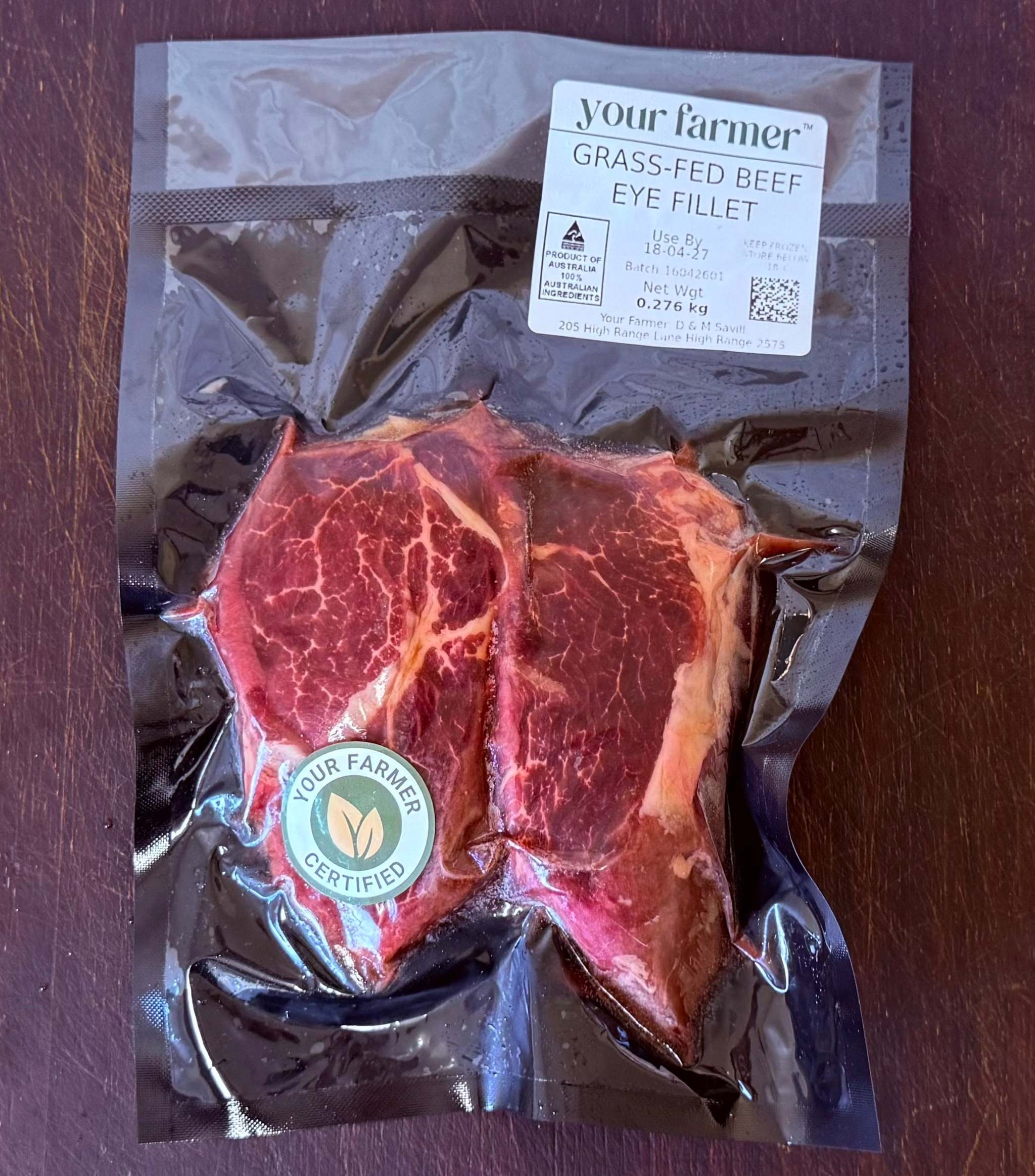
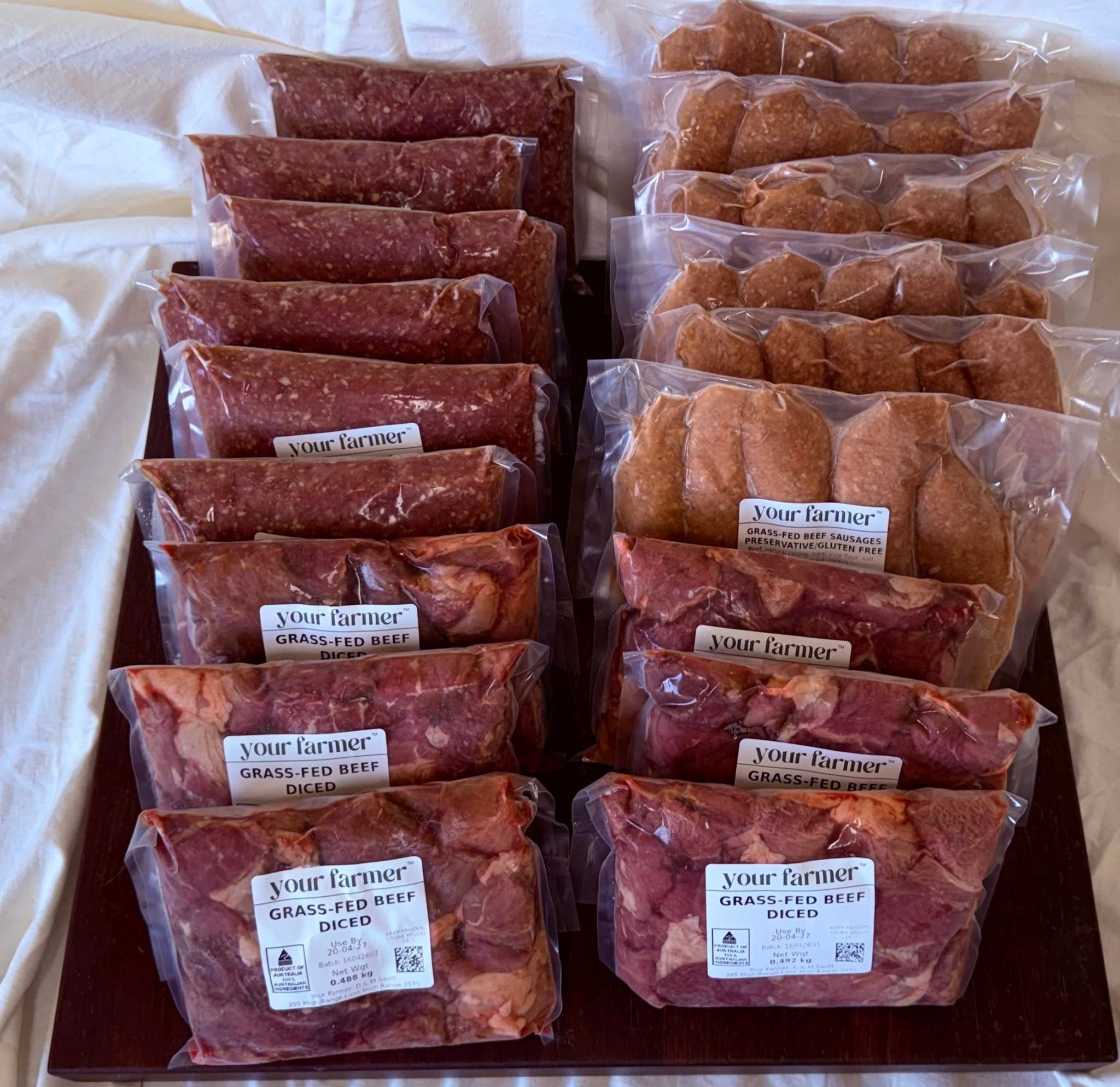
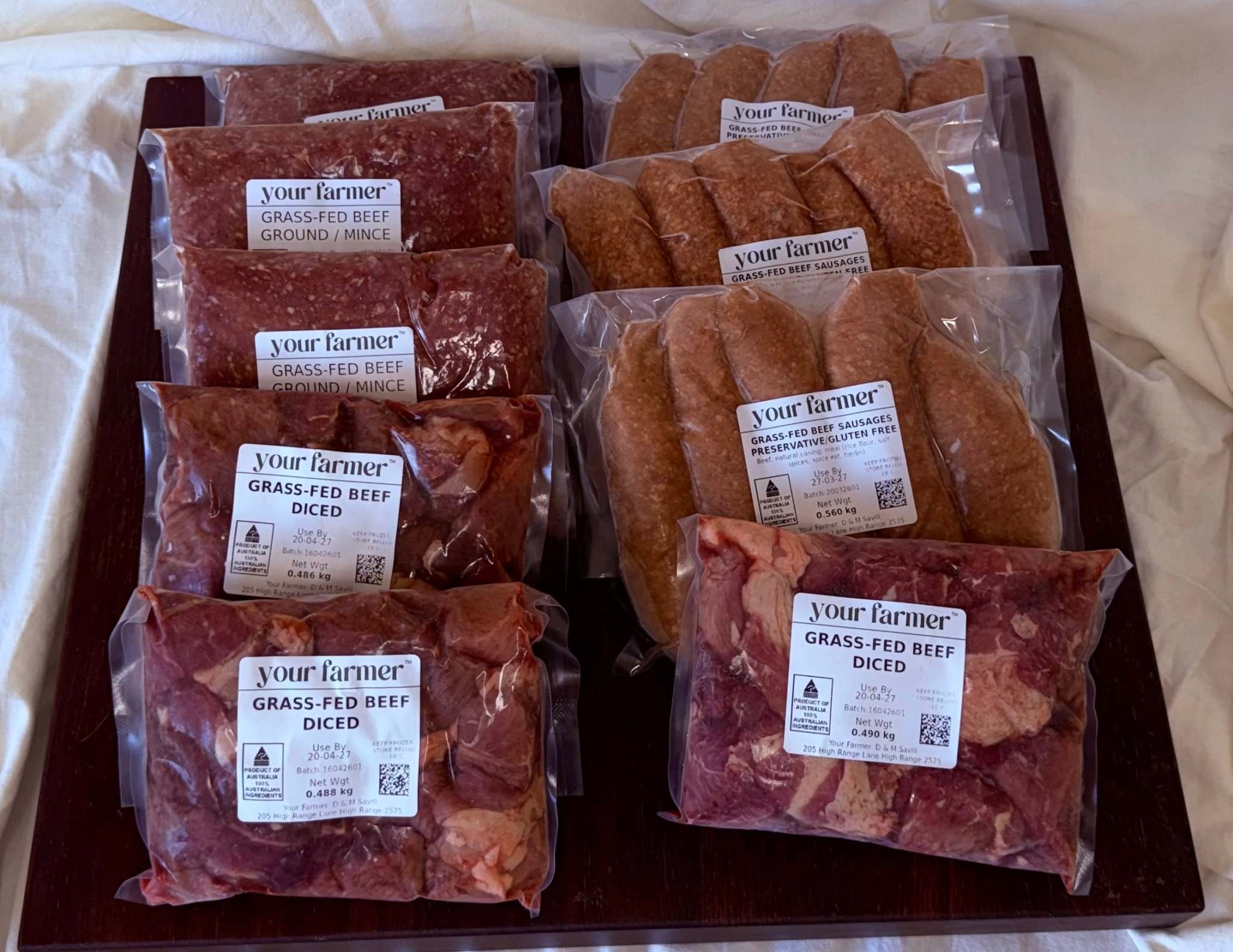
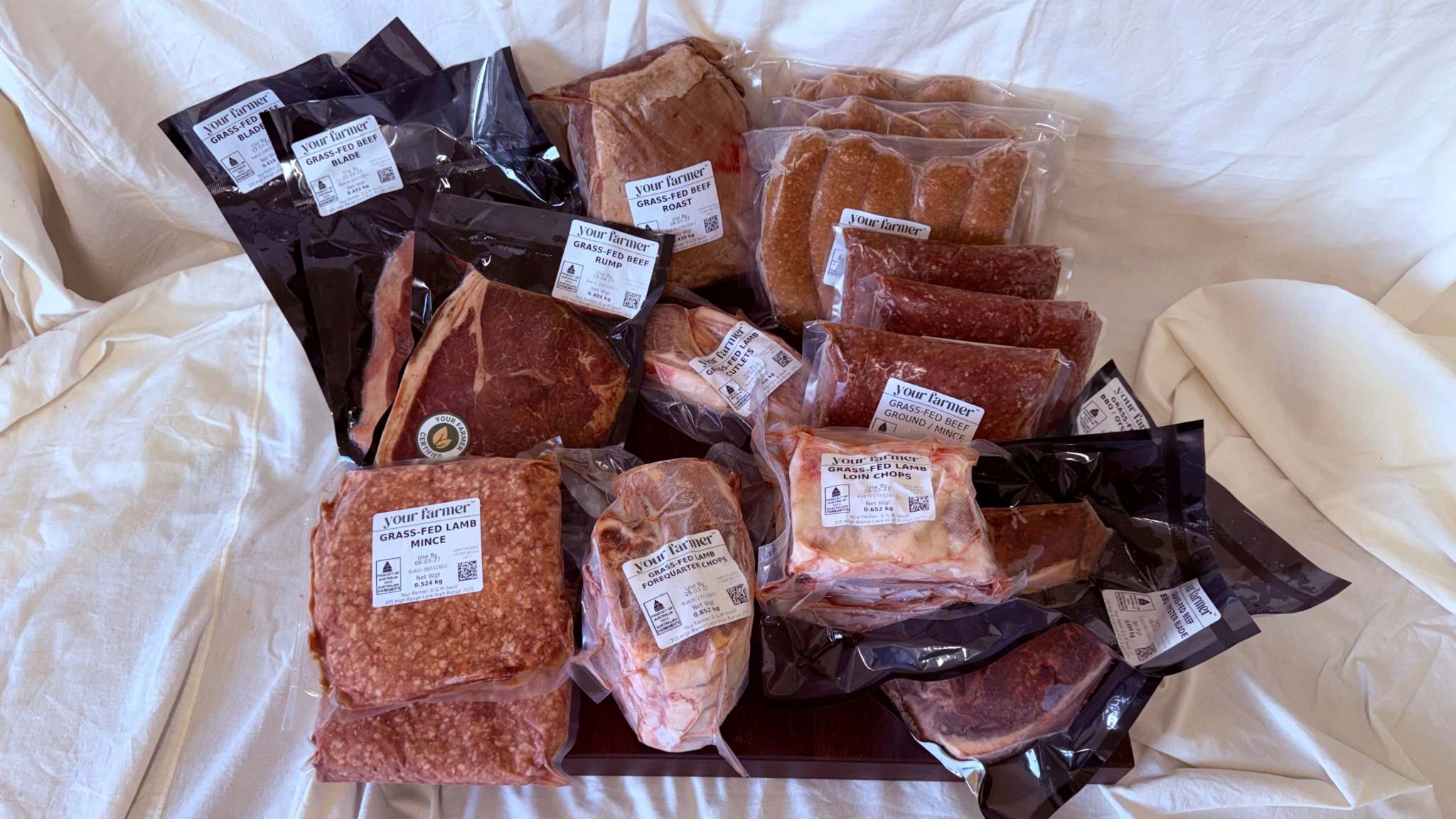
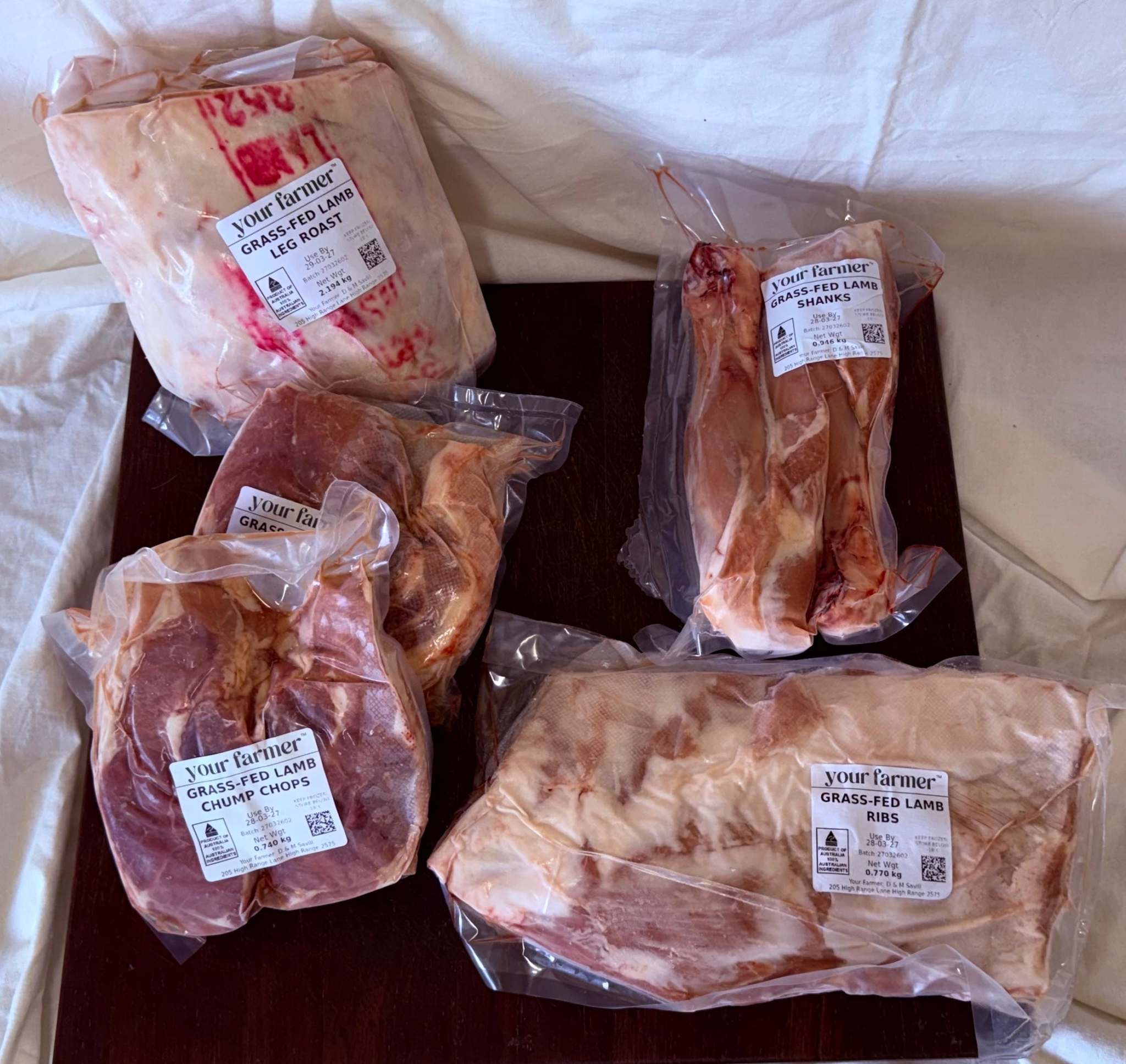
Your Farmers grow grass-fed beef and lamb, pastured eggs and the best eco-grown veggies and produce — every item grown to the same ecological standard, every farmer one you can know by name. One subscription, your whole real-food shop.

01

Reserve your share — or try a pack

Subscribe to a share of the harvest, or start with a one-off fixed pack.

02

Make it your own

Pick your delivery rhythm and what's in the box. Skip or cancel anytime — no lock-in.

03

Cook, savour, know your farmer

We deliver in a reusable esky we collect next time. No couriers, no waste.

Frequently Grazed Queries

What is ecological farming?

Ecological farming is an outcomes-based approach to food production that measures soil health, water cycles, biodiversity, animal welfare and farmer wellbeing, not just what's banned from the paddock. It goes beyond organic (which measures only what's absent from food) and beyond regenerative (which is often claimed but rarely verified). The Your Farmer Certified program audits eight ecological outcomes on every farm in our network.

What's the difference between ecological farming and regenerative farming?

Regenerative is a direction; ecological is a verified standard. "Regenerative" sounds great but has no agreed definition, no enforced standard, and no third-party accountability, anyone can use the word. Ecological farming is the same intent backed by an audit: eight measurable outcomes, peer-reviewed by other farmers, reassessed annually. If the soil isn't getting healthier and the biodiversity isn't growing, it doesn't qualify.

What's the difference between ecological farming and organic?

Organic is input-based, a list of synthetic chemicals you can't use. Ecological is outcomes-based, eight measurable results the farm has to deliver, including improving soil biology, cleaner water runoff, expanding habitat for native species, and humane animal welfare. A certified-organic paddock can still have depleted soil and poor water quality. An ecologically certified farm has to prove the land is genuinely getting better.

What are the Your Farmer Certified Eight Outcomes?

They’re the eight measurable outcomes of the Your Farmer Certified standard, the ecological-farming framework developed by ecologist David Savill in 2014: (01) Living Soils, (02) Water & Catchment, (03) Biodiversity & Habitat, (04) Ecosystem Design, (05) Economic Sustainability, (06) Social & Cultural, (07) Animal Welfare, (08) Farmer Wellbeing. Unlike organic (which measures what’s absent) or “regenerative” (which has no agreed standard), each outcome is audited and must be improving for a farm to qualify.

Who certifies eco-grown farms?

Every farm in the Your Farmer network is assessed against the Your Farmer Certified standard, peer-reviewed by other practising ecological farmers, not desk auditors. Soil biology is tested, water management verified, animal welfare observed, biodiversity assessed, and farmer wellbeing reviewed. Reassessment happens at least annually. The standard was built by David Savill, a biodynamic farmer, who holds a BSc in Ecological Agriculture, Soil Food Web certification and Human Ecologist qualifications.

Why does Your Farmer measure soil biology?

Soil biology is the engine that turns dirt into nutrition. Bacteria, fungi and other microorganisms in healthy soil convert minerals into forms plants can actually absorb, and the plant decides what it wants, not the fertiliser bag. Test the biology and you can predict the nutrient density of the food the soil grows. That's why we test it. Most certifications don't.

Is ecological farming the same as biodynamic farming?

They overlap but aren't identical. Biodynamic farming follows specific practices (preparations, planting calendars, closed-system thinking) developed by Rudolf Steiner. Ecological farming is broader and outcomes-based, it asks "is the land getting healthier" rather than "did you follow the recipe." David Savill is a practising biodynamic farmer, so the Savill family farm uses both: biodynamic practices, ecological outcomes.

Can I become an eco-farmer through Your Farmer?

Yes, we run the Your Farmer Certified eco-farmer program for farmers who want to transition to ecological practice. Training covers soil biology, holistic grazing, ecosystem design, and the audit framework. Once certified, partner farmers get guaranteed market access through our CSA network. If you're a working farmer or land manager interested, get in touch, the network grows by recruiting farmers who measure outcomes, not just inputs.

References

  1. Ingham, R. E., Trofymow, J. A., Ingham, E. R., & Coleman, D. C. (1985). Interactions of Bacteria, Fungi, and their Nematode Grazers: Effects on Nutrient Cycling and Plant Growth. Ecological Monographs, 55(1), 119–140. http://www.jstor.org/stable/1942528
  2. Ingham, E. R., Trofymow, J. A., Ames, R. N., Hunt, H. W., Morley, C. R., Moore, J. C., & Coleman, D. C. (1986). Trophic Interactions and Nitrogen Cycling in a Semi-Arid Grassland Soil. II. System Responses to Removal of Different Groups of Soil Microbes or Fauna. Journal of Applied Ecology, 23(2), 615–630. https://doi.org/10.2307/2404040
  3. Ingham, E. R., Trofymow, J. A., Ames, R. N., Hunt, H. W., Morley, C. R., Moore, J. C., & Coleman, D. C. (1986). Trophic Interactions and Nitrogen Cycling in a Semi-Arid Grassland Soil. I. Seasonal Dynamics of the Natural Populations, Their Interactions and Effects on Nitrogen Cycling. Journal of Applied Ecology, 23(2), 597–614. https://doi.org/10.2307/2404039
  4. Bailey, R. L., West Jr., K. P., & Black, R. E. (2015). The Epidemiology of Global Micronutrient Deficiencies. Annals of Nutrition and Metabolism, 66(Suppl. 2), 22–33. https://doi.org/10.1159/000371618
  5. Lehmann, A., Veresoglou, S. D., Leifheit, E. F., & Rillig, M. C. (2014). Arbuscular mycorrhizal influence on zinc nutrition in crop plants – A meta-analysis. Soil Biology and Biochemistry, 69, 123–131. https://doi.org/10.1016/j.soilbio.2013.11.001
  6. Montgomery, D. R., Biklé, A., Archuleta, R., Brown, P., & Jordan, J. (2022). Soil health and nutrient density: preliminary comparison of regenerative and conventional farming. PeerJ, 10, e12848. https://doi.org/10.7717/peerj.12848
  7. Fang, X., Wang, K., Han, D., He, X., Wei, J., Zhao, L., Imam, M. U., Ping, Z., Li, Y., Xu, Y., Min, J., & Wang, F. (2016). Dietary magnesium intake and the risk of cardiovascular disease, type 2 diabetes, and all-cause mortality: a dose–response meta-analysis of prospective cohort studies. BMC Medicine, 14(1), 210. https://doi.org/10.1186/s12916-016-0742-z
  8. Knez, M., & Glibetic, M. (2021). Zinc as a Biomarker of Cardiovascular Health. Frontiers in Nutrition, 8. https://doi.org/10.3389/fnut.2021.686078
  9. Dhaliwal, S. S., Naresh, R. K., Mandal, A., Singh, R., & Dhaliwal, M. K. (2019). Dynamics and transformations of micronutrients in agricultural soils as influenced by organic matter build-up: A review. Environmental and Sustainability Indicators, 1–2, 100007. https://doi.org/10.1016/j.indic.2019.100007
  10. Australian Bureau of Statistics. (2023). Usual nutrient intakes. ABS. https://www.abs.gov.au/statistics/health/food-and-nutrition/usual-nutrient-intakes/latest-release.
  11. Starck, C. S., Cassettari, T., Beckett, E., Marshall, S., & Fayet-Moore, F. (2024). Priority nutrients to address malnutrition and diet-related diseases in Australia and New Zealand. Frontiers in Nutrition, 11. https://doi.org/10.3389/fnut.2024.1370550
  12. Gliessman, S. R. (2014). Agroecology The Ecology of Sustainable Food Systems, Third Edition (3rd ed.). CRC Press.
  13. Geisseler, D., & Scow, K. M. (2014). Long-term effects of mineral fertilizers on soil microorganisms – A review. Soil Biology and Biochemistry, 75, 54–63. https://doi.org/10.1016/j.soilbio.2014.03.023
  14. Li, B.-B., Roley, S. S., Duncan, D. S., Guo, J., Quensen, J. F., Yu, H.-Q., & Tiedje, J. M. (2021). Long-term excess nitrogen fertilizer increases sensitivity of soil microbial community to seasonal change revealed by ecological network and metagenome analyses. Soil Biology and Biochemistry, 160, 108349. https://doi.org/10.1016/j.soilbio.2021.108349
  15. Altieri, M. A., Nicholls, C. I., Henao, A., & Lana, M. A. (2015). Agroecology and the design of climate change-resilient farming systems. Agronomy for Sustainable Development, 35(3), 869–890. https://doi.org/10.1007/s13593-015-0285-2
  16. Dyball, R., & Newell, B. (2023). Understanding Human Ecology: A Systems Approach to Sustainability (2nd ed.). Routledge. https://www.routledge.com/Understanding-Human-Ecology-A-Systems-Approach-to-Sustainability/Dyball-Newell/p/book/9780367245696

Didnt find your answer?

Don't hesitate to contact us

This site is protected by hCaptcha and the hCaptcha Privacy Policy and Terms of Service apply.